Introduction
You know you should say no. The request comes in, and you can feel it immediately. The way your body tenses. The quick mental calculation of what this will cost you in time, energy, or peace of mind. The knowledge that you do not actually want to do this.
And then you say yes anyway.
Maybe you say yes because you do not want to disappoint someone. Because you are worried about how they will react. Because you have been taught that good people are helpful people, and saying no feels selfish or unkind.
Maybe you say yes because you do not know how to say no without a long explanation. Without justifying your decision. Without making it sound like you are willing to negotiate if they push back hard enough.
Or maybe you say yes because you genuinely want to help. You care about this person. You want to be there for them. But you are already stretched thin, and adding one more thing means something else has to give. Usually that something is your own well-being.
This guide is not about becoming someone who says no to everything. It is not about cutting people off or hardening yourself against other people's needs. It is about learning to recognize your own limits and communicate them clearly, without guilt or endless explanation.
What Boundaries Actually Are
Boundaries get talked about a lot. But there is often confusion about what they actually mean.
A boundary is not a way to control someone else's behavior. It is not a demand that they change or stop doing something. It is a limit you set for yourself about what you are willing to accept, participate in, or take responsibility for.
For example, you cannot make your sister stop criticizing your life choices. But you can decide how much time you spend with her, what topics you will engage with, and when you will end a conversation that has become hurtful. That is your boundary. Not what she does, but what you do in response.
Boundaries are also not ultimatums. They are not threats designed to make someone comply. At their core, boundaries are about self-definition. They are how you let people know who you are, what matters to you, what you need, and what you are not willing to compromise on.
And here is something important. Boundaries do not require the other person's agreement. You are allowed to set a limit even if they think it is unreasonable. Even if they are hurt by it. Even if they do not understand it. Your boundary is yours to hold, not theirs to approve.
Why Saying No Feels So Hard
If boundaries were just about saying words, they would not be difficult. But they are not. They are about managing the emotional fallout that comes with disappointing someone or setting a limit they do not like.
For many people, saying no triggers guilt. Immediate, visceral guilt. The sense that you are being selfish. That you should be able to do this. That a good person would not say no in this situation.
That guilt often has roots. Maybe you grew up in a family where your needs came last. Where being helpful was how you earned love or approval, or where saying no was met with anger or coldness or the silent treatment. Those early lessons stick. They become automatic.
There is also fear. Fear of conflict. Fear of how the other person will react. Fear that they will be angry or hurt or that the relationship will change. And if you have experienced relationships where boundaries were punished, that fear makes sense.
The Guilt That Comes With Boundaries
Setting a boundary often triggers guilt. Even when the boundary is reasonable. Even when you know you need it. The guilt shows up anyway.
But guilt about boundaries is usually learned.
You were not born feeling guilty about having needs or limits. You learned it. From family. From relationships. From messages about what good people do and how much you should sacrifice for others.
The guilt serves a function. It keeps you compliant. It keeps you from rocking the boat. It makes sure you continue to prioritize other people's needs over your own, even when that is hurting you.
Recognizing that the guilt is learned does not make it disappear, but it does help you see it for what it is. Not evidence that you are doing something wrong. Just an old pattern, an old message, that you are working to unlearn.
It helps to remember that guilt is an emotion, not a fact. Just because you feel guilty does not mean you have done something wrong. You can feel guilty and still hold the boundary.
What This Guide Covers
In the complete guide, I give you specific language for setting boundaries in the situations where it matters most: at work, with family, with friends, and in romantic relationships. You will learn how to say no without over-explaining, how to respond when boundaries are met with resistance, and what to do when you genuinely cannot say no. I also address the myth of selfishness that keeps so many people from protecting themselves, and offer a framework for practicing boundaries in a way that actually sticks.
This is not about becoming cold or rigid. It is about becoming honest.
Get the Complete Guide
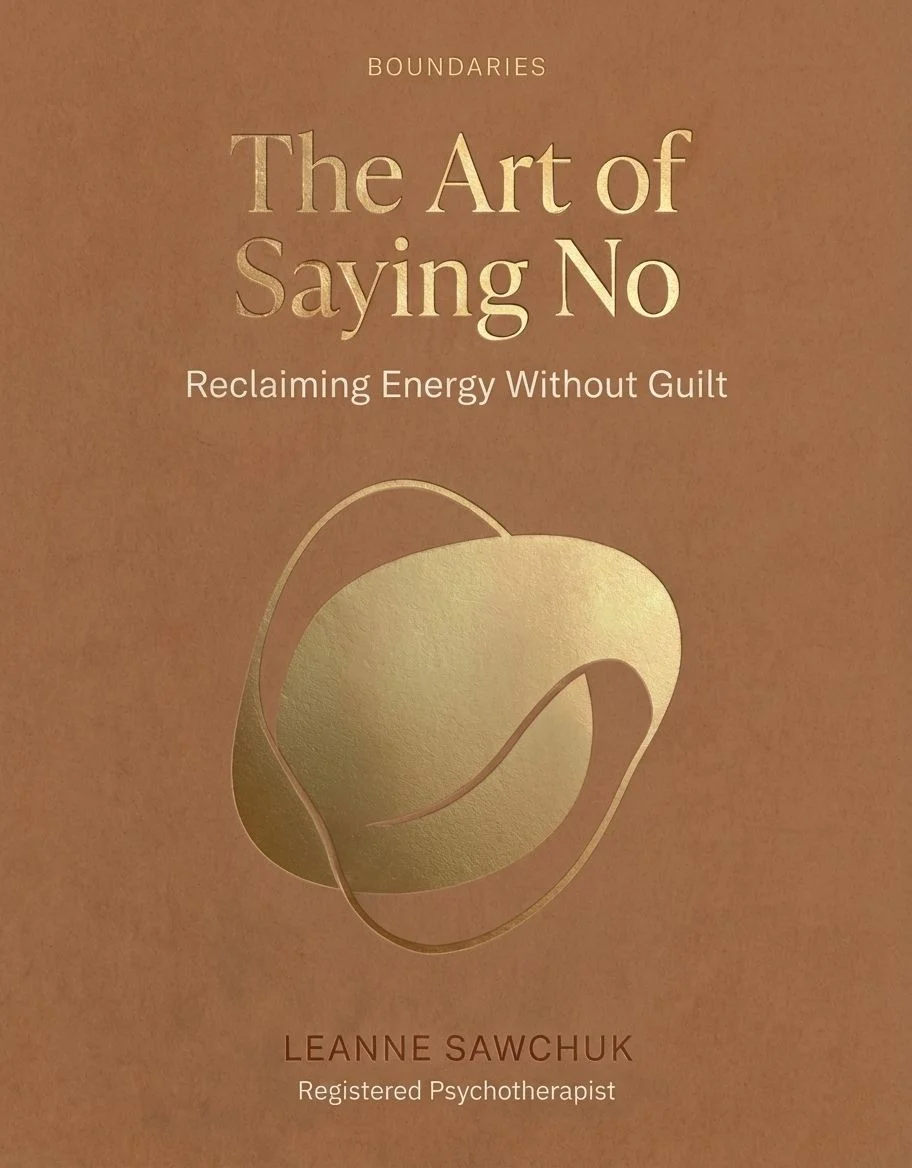
The summary above covers the foundations. The full guide gives you the words: