Introduction
There is a kind of grief that does not get a funeral.
No casseroles arrive at your door. No one sends flowers or takes time off work to sit with you. No one wears black or gathers in quiet rooms to speak your loved one's name. And yet you are grieving. Deeply. Daily. For someone who is still here.
If you are caring for a loved one with dementia or Alzheimer's, you already know this strange terrain. You know what it is to look into familiar eyes and find a stranger looking back. You know the particular exhaustion of answering the same question for the twelfth time in an hour, of smiling when you want to scream, of missing someone who is sitting right beside you. You know the weight of a loss that has no name, no clear beginning, and no end in sight.
This guide is for you. Not to fix anything. Not to offer five steps toward healing or a silver lining you are supposed to find. Just to sit with you in this. To name what you are carrying. And to remind you, as many times as you need to hear it, that what you are feeling is not a failure of love. It is love, pressed into an impossible shape.
Naming the Grief
We do not have good language for this. Our culture understands death. We have rituals for it, space for it, permission to fall apart when it happens. We know what to say at funerals. We know how to bring soup to the bereaved.
But this? This slow vanishing? We do not know what to call it.
Psychologist Pauline Boss spent decades studying what she calls ambiguous loss. It is grief without closure, without a clear ending, without the finality that lets us begin to heal. Your person is here, but not here. Present, but absent. You can touch them, feed them, sit beside them, hold their hand while they sleep. And yet the person you knew, the relationship you had, is already gone in ways that matter deeply.
This is real grief. It deserves to be named as such.
You might find yourself crying in the car after a visit. Or going numb for days, feeling nothing at all. You might catch yourself speaking about your loved one in the past tense, then feeling a wave of guilt for it. You might fantasize about the end, then hate yourself for the thought. You might feel relieved when they do not recognize you, because at least you do not have to perform normalcy. Then you might feel devastated by that same relief.
All of this is grief. It does not require death to be valid.
The Ambiguity Is What Makes It So Hard
If someone dies, the loss is clear. Painful beyond measure, but clear. You know what happened. You know they are gone. You can begin, however slowly, to reorganize your life around their absence.
But with dementia, you live in a permanent in-between. They are here and not here. Gone and not gone. You cannot fully grieve because they are still alive. You cannot fully move on because the loss keeps happening. Every day brings small deaths. The death of recognition. The death of shared memory. The death of the future you imagined together.
And yet life continues, demanding that you show up, function, and somehow keep going.
"You are not being dramatic. You are not weak. You are grieving, and you are doing it largely alone, while also showing up to provide care. That is an extraordinary thing to hold."
The Landscape of Guilt
Let us talk about the thoughts you do not say out loud. The ones that come at 2 a.m., or in the middle of a grocery store, or right after you have snapped at someone you love. The thoughts that make you wonder what kind of person you have become.
Thoughts like: I wish this were over.
Or: I do not even like them anymore.
Or: What if I just stopped visiting?
These thoughts are more common than you know. They do not make you a bad person. They make you a human being under immense strain, carrying a weight that was never designed to be carried alone, often for years on end.
Guilt is one of the defining features of dementia caregiving. You feel guilty for losing your patience. Guilty for needing a break. Guilty for not wanting to go today. Guilty for the relief you feel when they are asleep. Guilty for dreading the moment they wake up.
And underneath all of that, often, is a deeper guilt. The guilt of grieving someone who is still alive. As if your grief is a betrayal. As if by mourning the loss of who they were, you are giving up on who they are now.
You are not giving up. You are not betraying anyone. You are acknowledging reality.
Get the Complete Guide
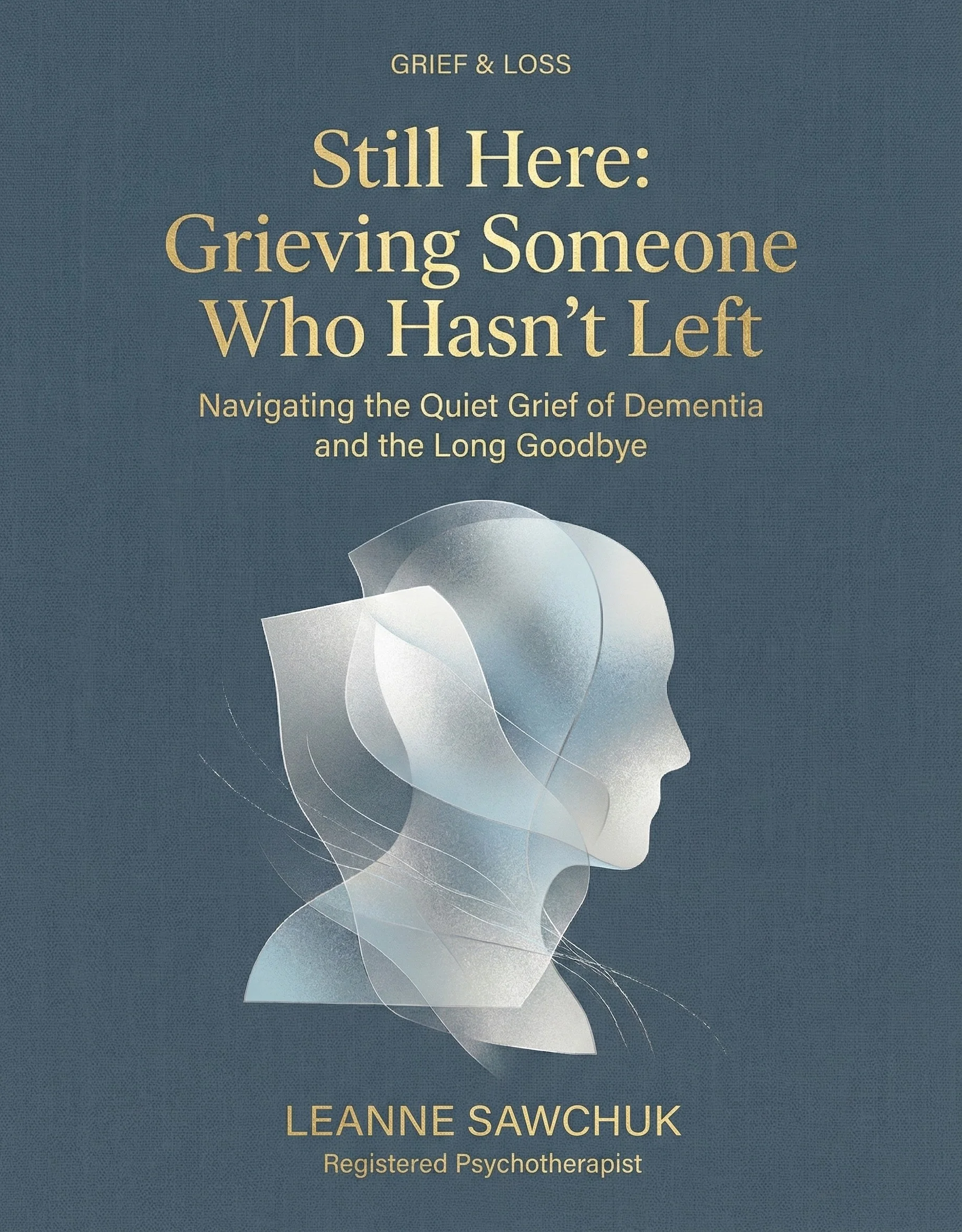
The summary above covers the foundations. The full guide goes deeper: